




Many homeowners aren’t aware that simple heat pump issues can often be resolved without professional help. If your system isn’t performing as expected, it might just be a matter of checking a few key components. Start with the thermostat and outdoor unit before moving on to air filters and ductwork. Understanding these basics can save you time and money, but there’s more to ponder if problems persist.
Identifying Common Heat Pump Issues
When it comes to heat pumps, there are several common issues you might encounter.
One frequent problem is inadequate heating or cooling, which often stems from dirty filters or blocked ducts. If you notice reduced airflow, check your filters and clean or replace them as needed.
Another issue could be strange noises, like grinding or squealing, indicating mechanical problems that require immediate attention.
You might likewise experience short cycling, where the system turns on and off frequently; this can point to refrigerant issues or a malfunctioning thermostat.
Moreover, if you see ice forming on the outdoor unit, it’s essential to address this promptly, as it can impede efficiency.
Finally, if you smell unusual odors, it’s a sign of potential electrical issues or mold growth. Regular heat pump maintenance can help identify and prevent these problems early, ensuring your heat pump runs efficiently. Identifying these problems early can save you time and money, ensuring your heat pump runs efficiently.
Checking the Thermostat Settings
How can you guarantee your heat pump is operating efficiently? Start by checking your thermostat settings. Ascertain it’s set to the desired temperature and in the correct mode—heating or cooling.
If it’s on “auto,” switch it to “on” to maintain consistent airflow. Next, verify the temperature setting; sometimes, it’s set higher or lower than intended. If your thermostat is programmable, confirm that the schedule aligns with your needs.
If you’re still having issues, consider replacing the batteries if it’s battery-operated. A malfunctioning thermostat can lead to inconsistent temperatures and affect your heat pump’s performance. Additionally, ensure that your thermostat is compatible with modern thermostat types to enhance control and efficiency.
Lastly, ascertain that the thermostat is placed away from drafts or direct sunlight, as these can impact its accuracy.
Inspecting the Outdoor Unit
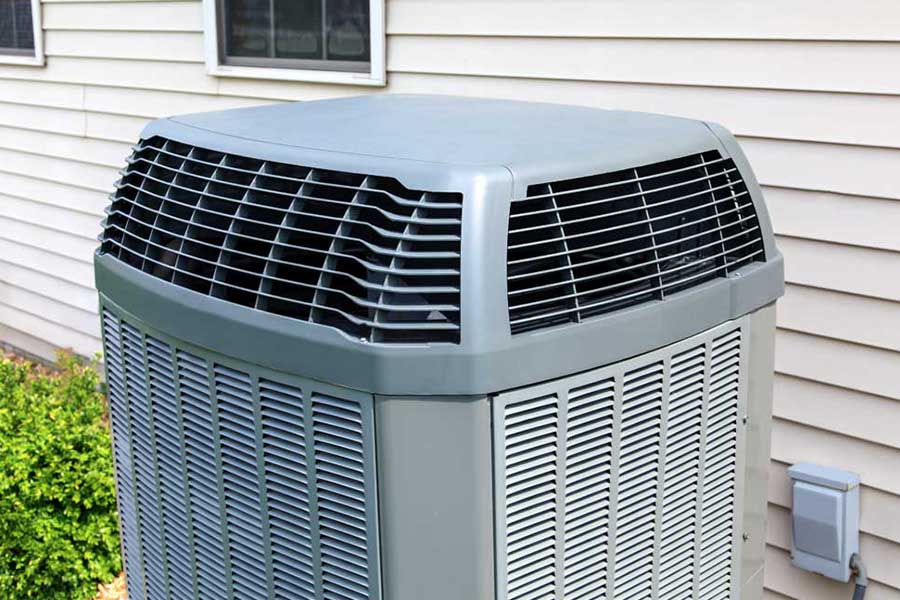
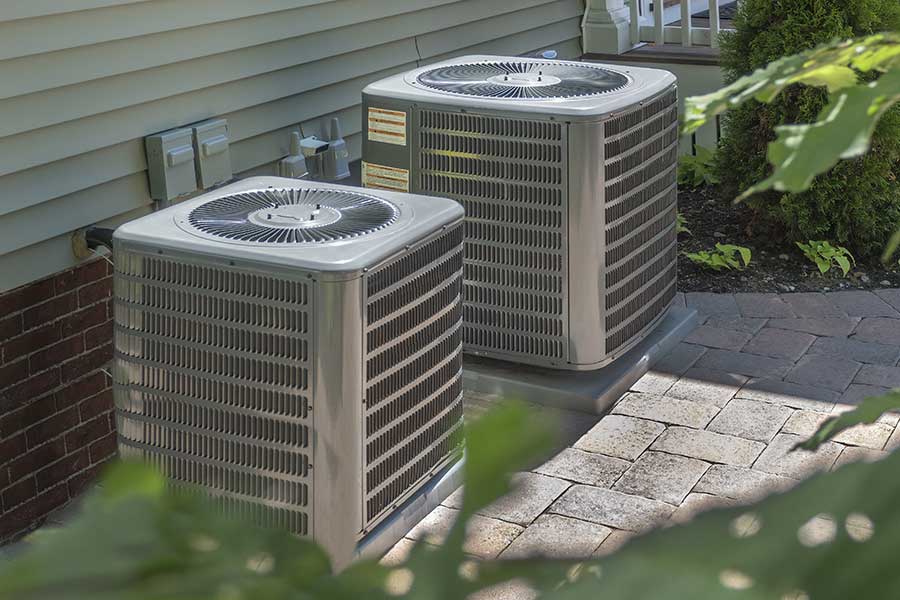
To guarantee your heat pump operates efficiently, inspecting the outdoor unit is essential. Start by checking for any debris, such as leaves or dirt, that may be obstructing airflow. Clear away any obstructions to guarantee proper ventilation.
Next, examine the unit for any visible signs of damage, like dents or rust. These issues can affect performance and may require professional attention.
Make certain the outdoor unit is level. If it’s tilted or uneven, it can lead to drain problems and decreased efficiency.
Moreover, listen for any unusual noises while the unit is running. Strange sounds could indicate mechanical issues that need addressing.
Finally, verify that the unit’s power supply is connected and functioning. If you notice any issues during your inspection, don’t hesitate to contact a professional like Air Solutions to guarantee your heat pump runs smoothly throughout the seasons. Regular maintenance, including annual check-ups, is highly recommended to ensure optimal performance and longevity of your heat pump.
Examining the Air Filters
Air filters play a vital role in maintaining your heat pump’s efficiency and air quality. When they’re clogged or dirty, your system struggles to circulate air effectively, leading to decreased performance and higher energy bills.
To keep your heat pump running smoothly, check your air filters regularly, ideally every month. If they look dirty or have built-up debris, it’s time to replace them.
Most filters are easy to access, so you won’t need a technician for this task. Simply remove the old filter, noting its size for replacement, and install a new one.
Remember to choose the right MERV rating for your needs—higher ratings capture more particles but may restrict airflow if your system isn’t designed for it. Regular air duct cleaning can further enhance your system’s efficiency and indoor air quality.
Evaluating the Ductwork and Vents
Properly functioning ductwork and vents are essential for your heat pump’s performance. If you notice uneven heating or cooling in your home, it might be time to evaluate your duct system.
Start by inspecting the ducts for any obvious leaks or damage. Even small gaps can lead to significant energy loss. Make sure that all vents are open and unobstructed; furniture or curtains can easily block airflow.
Next, check for dust buildup in the ducts and vents, as this can restrict airflow and reduce efficiency. If you find excessive dirt, consider having your ducts professionally cleaned.
Finally, listen for unusual noises when the system runs. Rattling or whistling sounds might indicate a problem. If you’re unsure, don’t hesitate to call a professional like Air Solutions Heating, Cooling, Plumbing & Electrical for a thorough inspection.
Keeping your ductwork in top shape guarantees your heat pump operates effectively and keeps your home comfortable.
Conclusion
By taking the time to troubleshoot your heat pump, you can often resolve issues without needing to call a professional. It may seem intimidating at first, but remember, even small adjustments—like checking the thermostat or cleaning the filters—can make a big difference in performance. Don’t let concerns about your technical skills hold you back; most of these tasks are simple and can save you money. Keep your heat pump running smoothly, and enjoy a comfortable home year-round!